Car and Home Insurance in 2026: 9 Trends Every Policyholder Needs to Know
Insurance costs are shifting again in 2026, and whether you're renewing your auto policy or bracing for your next homeowner's premium, understanding the forces behind these changes can save you real money. From AI-powered pricing models to climate-driven rate hikes and new tariff pressures, the insurance landscape looks dramatically different than it did even two years ago. In this guide, we break down nine of the biggest trends affecting car insurance and home insurance this year—and share practical steps you can take right now to stay protected without overpaying.
1. Car Insurance Premiums Are Stabilizing—But Don't Celebrate Yet
Between 2022 and 2024, auto insurance rates surged at double-digit percentages as carriers scrambled to catch up with skyrocketing repair costs, advanced vehicle technology, and a sharp rise in severe accidents. The good news heading into 2026 is that the worst of this "catch-up" phase appears to be behind us. Industry forecasts project national average rate increases of roughly 4%, a significant improvement compared to the jarring jumps that dominated the past several years. For many safe drivers, renewal notices this year may finally feel less shocking than they have in recent memory.
However, that modest national average masks significant variation depending on where you live and your personal driving profile. Households with teen drivers, multiple at-fault accidents, or prior coverage lapses may still encounter noticeable increases. The cost of repairing modern vehicles remains stubbornly high—sensors, cameras, and electric vehicle components drive up the price of even minor body work. If you haven't shopped around in a while, now is the time to compare quotes from multiple carriers and make sure you're getting the best deal for your risk level.
One practical tip: review your mileage and usage habits. If you're driving fewer miles due to remote work or lifestyle changes, let your insurer know. Many carriers now offer low-mileage discounts that could meaningfully reduce your premium without sacrificing critical liability coverage. Even small changes in reported annual mileage can shift you into a more favorable pricing tier.
Another factor worth watching is the rise of electric vehicles. EVs come with unique repair cost profiles—instant torque characteristics change acceleration patterns, regenerative braking alters deceleration behaviors, and battery replacement costs can be significant. If you've recently switched to an EV, make sure your policy properly accounts for these differences, as traditional pricing models may not accurately reflect your actual risk.

2. Telematics and Usage-Based Insurance Are Going Mainstream
Usage-based insurance (UBI) has moved far beyond niche territory. In 2024, more than 21 million U.S. policyholders were sharing telematics data with their insurers, representing a compound annual growth rate of 28% since 2018. Today, major carriers like Nationwide report that 85–90% of customers who purchase a policy online enroll in their telematics program, with average savings of 30–35%. The message is clear: if you're a safe driver and you're not enrolled in a telematics program, you're likely leaving money on the table.
Modern telematics programs no longer require clunky plug-in devices. Your smartphone's built-in sensors—accelerometer, GPS, and gyroscope—can now accurately measure acceleration, braking patterns, cornering speeds, and even detect distracted driving. This democratization of the technology means virtually any driver with a smartphone can participate. And consumer sentiment is strongly positive: according to a recent survey by the IoT Insurance Observatory and Arity, 82% of policyholders view telematics apps favorably, and among drivers under 53, approval exceeds 90%.
What's driving this enthusiasm beyond discounts? Insurers are bundling value-added services like real-time driving feedback, crash assistance, and roadside help directly into their telematics apps. Trust also plays a central role—53% of survey respondents expressed high confidence in how insurers handle their personal data, ranking insurers second only to banks. Even older generations are warming up to the idea, with resistance among drivers over 50 dropping from 36% to 29% since 2022.
If you've been hesitant about sharing driving data, 2026 may be the year to reconsider. The savings are real, the services keep improving, and privacy protections are stronger than ever. Ask your agent about available telematics programs—it could be the easiest way to lower your premium this year.
3. Home Insurance Premiums Keep Climbing—Here's Why
Homeowners insurance continues to be one of the most challenged segments of the insurance market. Premiums are projected to rise another 4–8% nationally in 2026, following a 12% jump in 2025. Since 2021, the average homeowner's premium has climbed roughly 46%—about three times the rate of overall inflation. The average annual premium is projected to reach approximately $3,057 this year. For families already stretched by high mortgage rates and rising living costs, these increases add real financial pressure.
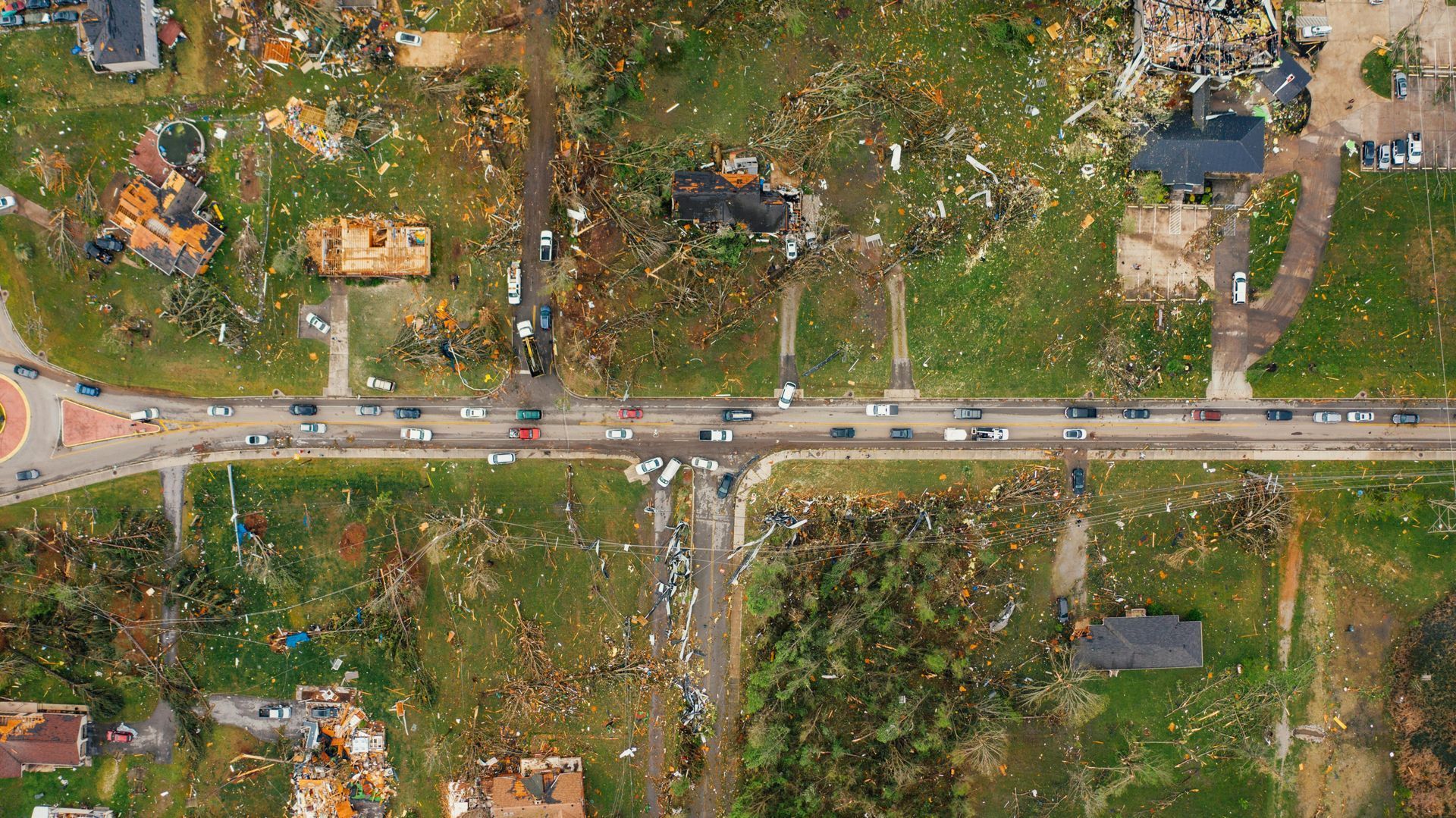
The primary driver behind these increases is climate risk. Severe convective storms—capable of producing tornadoes, hail, and destructive straight-line winds—have emerged as the top peril, surpassing hurricanes and coastal flooding in terms of immediate insured losses. For three consecutive years, insured losses from these storms have exceeded $42 billion, well above historical averages. States in the Midwest and Great Plains have been hit especially hard: premiums jumped more than 20% in 2025 in states like Minnesota (+34%), Colorado (+33%), Nebraska (+25%), and Oklahoma (+24%).
Florida remains the most expensive state for home insurance in the country, with a typical annual premium of around $8,292—nearly three times the national average. California faces its own challenges as wildfire risk and regulatory shifts push premiums higher, with a projected 16% increase in 2026 alone. Even homeowners in traditionally lower-risk areas are feeling the squeeze as insurers recalibrate their models to reflect new weather patterns and rising rebuilding costs.
The bottom line: don't wait until renewal day to review your policy. Document any home improvements—new roofing, impact-resistant windows, or updated electrical systems—and share them with your insurer. These upgrades can make your property more attractive to underwriters and potentially reduce your premium. In storm-prone areas, consider mitigation steps like storm shutters and reinforced garage doors that may qualify for additional discounts.
4. AI Is Reshaping How Insurance Is Priced and Claims Are Processed
Artificial intelligence is transforming the insurance industry from the inside out, and 2026 marks a tipping point in adoption. Carriers are now using satellite imagery, drone inspections, and predictive analytics to evaluate property-specific risks with a level of precision that was unimaginable just a few years ago. On the auto side, AI models create highly accurate risk profiles based on actual driving habits—speed, braking patterns, time of day, and mileage—enabling personalized premiums that move away from one-size-fits-all demographic pricing.
Claims processing is also being revolutionized. Industry experts predict that simpler, low-complexity claims will increasingly pass through automated decision gates to approval without any human adjuster involvement. According to a recent Crawford & Company forecast, straight-through processing of routine claims will accelerate in 2026, meaning faster payouts and reduced administrative friction for straightforward incidents. Adjuster training is also shifting, with a new emphasis on AI literacy and judgment in working alongside automated systems.
At the same time, AI-driven fraud detection is helping identify suspicious patterns that human reviewers might miss—a critical development given that insurance fraud costs the industry billions annually, costs that ultimately get passed on to honest policyholders through higher premiums. AI systems can now analyze millions of claims to spot subtle connections between seemingly unrelated parties or flag unusual repair estimates.
For consumers, this AI-driven shift brings both opportunity and responsibility. Safe drivers and well-maintained homes are rewarded with fairer, more personalized pricing. On the flip side, the amount of personal data insurers collect and analyze is growing rapidly. Regulatory bodies are pushing for explainable AI and stronger data privacy protections—organizations like the NAIC have proposed guidelines requiring insurers to explain how AI affects pricing and claims decisions. It's worth understanding your policy's data-sharing agreements and staying informed about your rights.
5. Flood Insurance: No Longer Just a Coastal Concern
Flood risk used to be considered a niche concern—something homeowners in obvious coastal or riverside zones dealt with. That's no longer the case. Updated FEMA flood maps and shifting weather patterns mean more inland properties now fall into designated flood zones. In 2026, more buyers and existing homeowners are discovering that standard homeowner's insurance does not cover flood damage, and separate flood policies are becoming a necessity even in areas that historically seemed safe.
Flood insurance premiums are climbing as well, with many policies costing 10% or more than they did a year ago, especially for properties newly added to flood zones. The National Flood Insurance Program (NFIP) is up for reauthorization this year, prompting broader conversations about how the program is structured and funded. This reauthorization could bring meaningful changes to how premiums are calculated and who qualifies for subsidized rates.
If you're buying a home, refinancing, or simply reassessing your coverage, pay close attention to flood requirements and consider adding a policy even if you're not in an officially designated zone. The cost of a flood policy is almost always a fraction of the financial devastation an uninsured flood event would cause. FEMA's Resilience Analysis and Planning Tool (RAPT) can help you assess your specific risk level, and private flood insurance options are expanding alongside the NFIP to offer more competitive pricing.

6. Smart Home Technology Can Lower Your Premiums
One of the more encouraging trends in 2026 is the growing recognition by insurers that smart home devices genuinely reduce risk. Water leak sensors, monitored alarm systems, smart smoke detectors, and video doorbells all contribute to a property's safety profile. Carriers are beginning to offer tangible premium discounts for homes equipped with these technologies, as the data increasingly shows that connected homes experience fewer and less severe claims. Even a simple water leak sensor that alerts you to a burst pipe can prevent tens of thousands of dollars in damage—and insurers know it.
On the auto insurance side, advanced driver-assistance systems (ADAS)—features like automatic emergency braking, lane-keeping assist, and adaptive cruise control—are similarly being factored into risk assessments. Some innovative carriers have even launched specialized products for vehicles with autonomous driving capabilities, offering rate reductions when self-driving features are engaged. As vehicles and homes become smarter, the insurance industry is adapting to reward policyholders who invest in safety.
What should you do? Take inventory of the smart devices in your home and the safety features in your car, then call your agent or insurer to ask about applicable discounts. Many policyholders miss out on savings simply because they never reported these upgrades. A quick phone call could put real money back in your pocket at your next renewal.
7. Tariffs Are Creating New Cost Pressures on Insurance
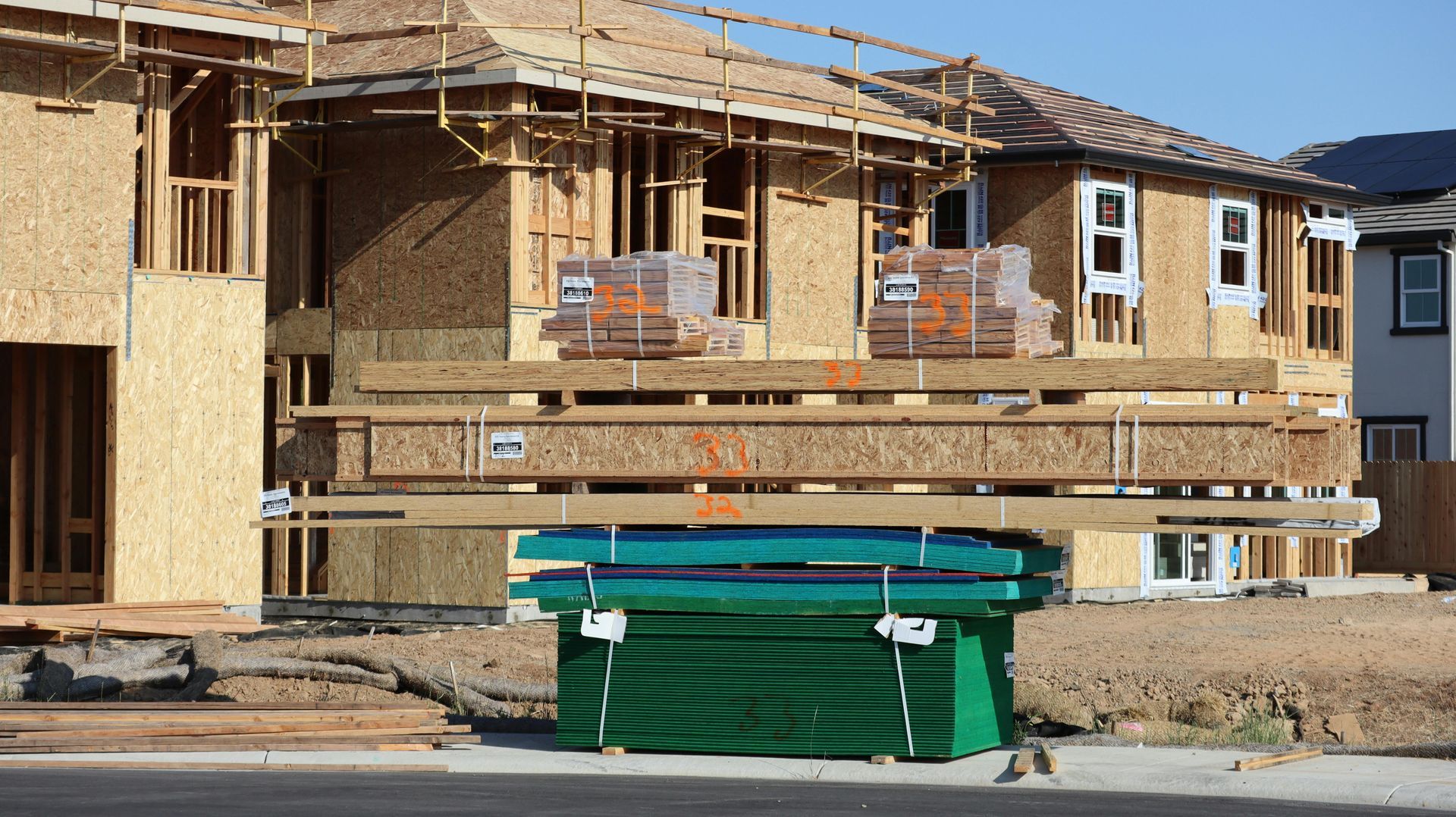
A newer and often overlooked factor pushing insurance costs higher in 2026 is the impact of tariffs on building materials and auto parts. Tariffs on imported lumber from Canada, steel, and other construction materials are raising the cost of home repairs and rebuilds—costs that insurers must account for when setting premiums. While the full impact on home insurance rates hasn't been fully realized yet, industry analysts warn that tariffs on building materials have the potential to drive additional rate increases in the coming months.
On the auto insurance side, tariffs on imported vehicle components can increase the cost of replacement parts, making even routine repairs more expensive. Since claim costs are one of the primary inputs insurers use to calculate premiums, higher parts prices flow directly into what you pay for coverage. This is especially relevant for owners of imported vehicles or cars with specialized components sourced from overseas manufacturers.
Homeowners planning renovations or repairs should factor tariff-driven cost increases into their budgets and make sure their coverage limits reflect today's actual rebuilding costs—not estimates from a year or two ago. If material costs have risen 10–15% due to tariffs, your existing coverage limit may leave you underinsured in the event of a major claim. Ask your agent to review your dwelling coverage amount at your next renewal to ensure it keeps pace with current construction costs in your area.
8. The Insurance Affordability Gap Is Widening Across States
One of the most concerning trends in 2026 is the growing disparity in insurance costs between states. According to recent Insurify data, premiums rose an average of 14% in the 25 most expensive states but only 5% in the 25 least expensive states. This widening affordability gap means that where you live increasingly determines not just how much you pay for insurance, but whether you can comfortably afford adequate coverage at all.
The strain is real and measurable. Recent surveys show that one in four homeowners said they would drop coverage entirely if they could, and nearly half believe home insurance should be optional. While lenders generally require coverage on mortgaged properties, the sentiment reflects just how much financial pressure rising premiums are creating for everyday families. Eliminating coverage would save the average household about $281 per month—but it would also expose them to catastrophic financial risk from a single storm, fire, or liability claim.
States like Florida, California, Texas, Louisiana, and Colorado face the most acute challenges, driven by a combination of extreme weather exposure, rising construction costs, and in some cases, regulatory complexity. In many high-risk ZIP codes, finding coverage at all is becoming difficult, pushing more homeowners into the Excess & Surplus (E&S) market or state-run insurers of last resort like Florida's Citizens Property Insurance. However, there are some bright spots—Florida's legislative reforms aimed at curbing frivolous lawsuits have begun to stabilize the market, and Citizens has even proposed a rate decrease for the first time in years.
If you're in a high-cost state, the best strategy is to work with an independent agent who can shop across admitted carriers, surplus lines, and state programs to find the most competitive option. Don't assume you're stuck with the renewal quote your current carrier sends you—the market is competitive, and significant savings are often available to those who look.
9. How to Protect Yourself and Save in 2026
With all of these trends converging, the most important thing you can do as a policyholder is stay proactive. Here are the key steps to take this year to make sure you're covered and not overpaying:
Shop around regularly. Don't auto-renew without comparing quotes. An independent agent can help you evaluate options across multiple carriers to find the best combination of coverage and price for your specific situation. Even if you're happy with your current carrier, getting a competitive quote gives you leverage to negotiate.
Bundle wisely. Combining your auto and home insurance with the same carrier often unlocks multi-policy discounts of 10–25%. Ask about umbrella policies that provide extra liability protection across both your home and vehicles for just a small additional premium.
Invest in mitigation. Whether it's a new roof, storm shutters, a water leak detection system, or enrolling in a telematics program, every step you take to reduce risk can translate into real premium savings over time. Many carriers specifically reward proactive risk reduction with tangible discounts.
Review your coverage limits. With rebuilding costs and vehicle repair expenses at historic highs—and tariffs adding new cost pressures—make sure your coverage limits actually reflect what it would cost to repair or replace your home and car today, not what they were worth five years ago. Being underinsured is one of the costliest mistakes a policyholder can make.
Understand your deductibles. Average home insurance deductibles rose 22% in 2025. Make sure you know exactly what you'd owe out of pocket in the event of a claim, and adjust if needed to match your financial comfort level. A higher deductible lowers your premium, but only makes sense if you can comfortably cover that amount in an emergency.
Ask about every available discount. Smart home devices, safe driving records, claims-free history, security systems, new roofs, bundled policies, loyalty programs—there are more discounts available than most policyholders realize. A thorough review with your agent can uncover savings you didn't know existed.

Conclusion
The insurance market in 2026 is defined by a push and pull between rising costs and advancing technology. Climate risk, inflation, tariffs, and more expensive repairs continue to push premiums higher, while AI, telematics, smart home devices, and expanding coverage options give consumers new tools to take control of their costs. The affordability gap between states is a growing concern, but proactive policyholders who stay informed and work with knowledgeable agents can navigate this landscape with confidence.
At Insurance Ladies, we're here to help you make sense of these changes and find the coverage that fits your life. Whether you need to review your auto policy, reassess your homeowner's coverage, explore flood insurance options, or take advantage of bundling discounts, reach out to our team today—we'll make sure you're protected without paying more than you should.
Recent Posts