
How to File a Home Insurance Claim the Right Way in 2026
Filing a home insurance claim should be straightforward—you pay your premiums, something goes wrong, and your insurer helps cover the cost. But in reality, the claims process is full of potential pitfalls that can delay your payout, reduce your settlement, or even get your claim denied entirely. Whether you're dealing with storm damage in Florida, a burst pipe in winter, or a break-in, knowing what to do (and what not to do) can make the difference between a smooth resolution and a financial headache. This guide walks you through the most common mistakes homeowners make when filing claims and gives you a step-by-step playbook for getting the settlement you deserve.
1. Know Your Policy Before You Need It
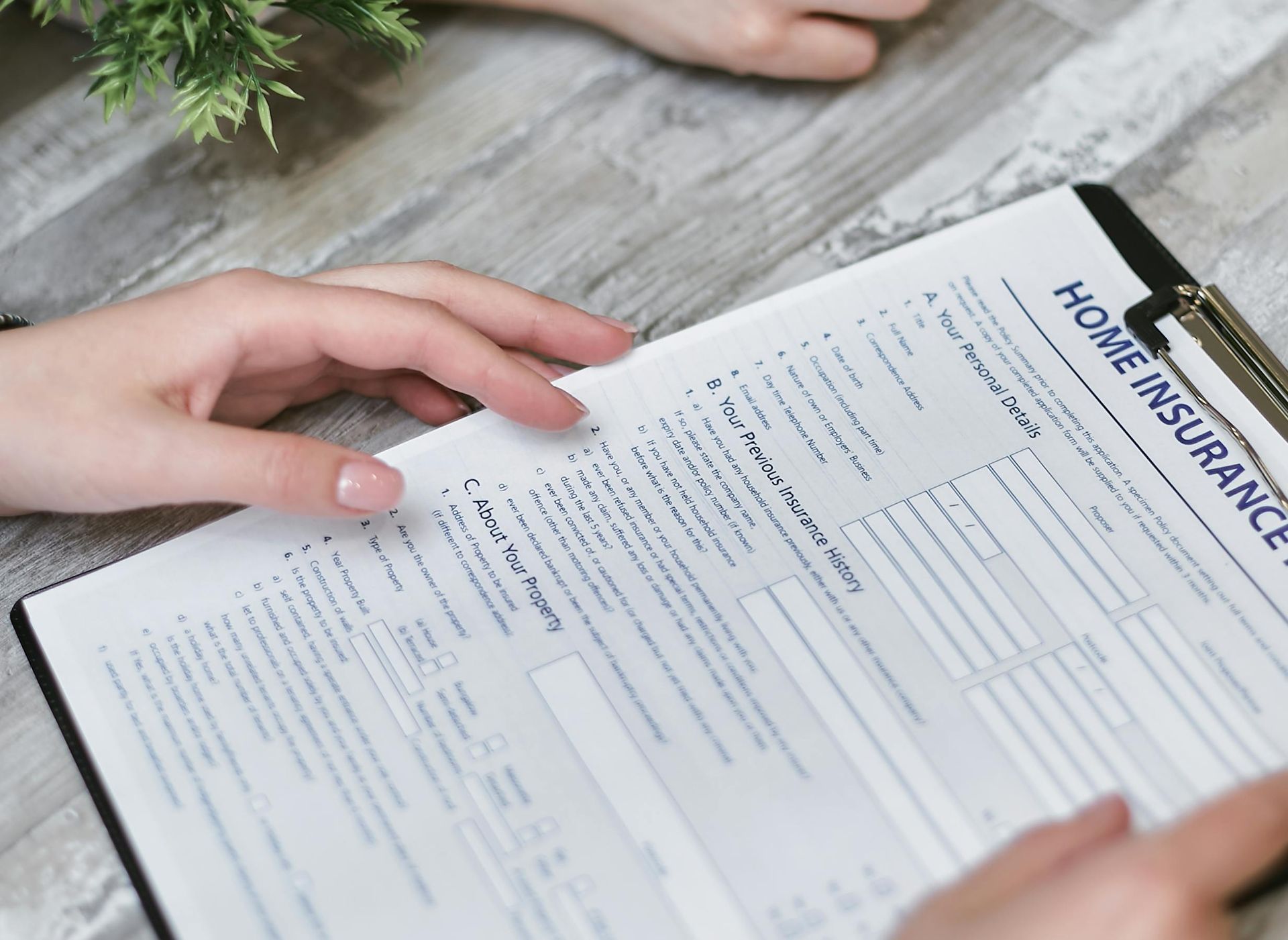
The single biggest mistake homeowners make is not understanding their insurance policy until after disaster strikes. Every policy is different, and the details matter enormously. What perils are covered? What's excluded? What are your coverage limits for your dwelling, personal property, and additional living expenses? What's your deductible? These aren't questions you want to be answering for the first time while standing in a flooded living room.
Many homeowners are surprised to learn that standard policies don't cover flood damage, earthquake damage, or sewer backups—these typically require separate policies or endorsements. In Florida, for example, hurricane and windstorm coverage often comes with its own deductible that's much higher than your standard deductible. Understanding these nuances before you need to file a claim helps you avoid the shock of a denial and gives you time to add supplemental coverage if you're exposed to risks your base policy doesn't address.
Make it a habit to review your policy at least once a year—ideally with your agent, who can explain the fine print and flag any gaps. Pay special attention to your dwelling coverage limit to make sure it reflects today's rebuilding costs, not what your home was worth when you first bought the policy. With construction costs rising steadily due to inflation and tariffs, many homeowners are unknowingly underinsured. A thorough annual review can catch this before it becomes a costly surprise during a claim.
2. Document Everything Immediately After Damage Occurs
When damage happens, your first instinct might be to start cleaning up. Resist that urge—at least until you've thoroughly documented everything. Documentation is the foundation of a successful insurance claim, and failing to capture enough evidence is one of the most common reasons homeowners receive lower payouts than they deserve. Insurance adjusters need to see the damage in its original state to assess it accurately, and anything you've cleaned up, repaired, or thrown away before they arrive becomes much harder to include in your settlement.
Start by taking clear, detailed photos and videos of every affected area from multiple angles. Don't just capture the obvious damage—document secondary effects too, like water stains on walls, cracks in foundations, damaged appliances, and ruined personal belongings. Get close-up shots that show the severity of the damage, and wider shots that show the context and scope. Record a video walkthrough narrating what happened and pointing out each area of concern. The more comprehensive your documentation, the stronger your claim.
Beyond photos and videos, you'll want to create a detailed inventory of damaged items. Include the item description, approximate purchase date, original cost, and estimated replacement value. If you have receipts, warranties, or appraisals, gather those too. Cloud-based storage is your friend here—upload everything to a secure digital location so it's protected even if your home suffers further damage. If you don't already maintain a home inventory, start one after this claim is resolved. About 60% of homeowners don't keep a home inventory, and those who do file significantly smoother claims.
3. Report the Claim Promptly—Don't Wait
After documenting the damage, contact your insurance company as soon as possible. Delaying your claim is a surprisingly common mistake that can create serious problems. Most policies require prompt notification after a loss, and some have specific filing deadlines. The longer you wait, the harder it becomes to prove the extent of the original damage, and your insurer may question why you didn't report it sooner—potentially interpreting the delay as a sign of fraud or exaggeration.
When you call to report your claim, have your policy number ready and be prepared to provide a clear, factual description of what happened and what was damaged. Ask your claims representative what specific documents and information they'll need from you, and get their name and direct contact information. From this point forward, keep a detailed log of every communication with your insurer—dates, times, the name of the person you spoke with, and a summary of what was discussed. This log becomes invaluable if disputes arise later in the process.
Most major insurance companies now allow you to file small claims online or through their mobile app, which can speed up the initial process. However, for significant damage—anything involving structural issues, large personal property losses, or potential displacement from your home—it's worth calling and speaking with a representative directly to ensure nothing gets lost in a digital form.

4. Make Temporary Repairs—But Don't Do Permanent Work Yet
Here's a detail that trips up many homeowners: your policy actually requires you to take reasonable steps to prevent further damage to your property after an incident. If a storm breaks a window, you should cover it with plastic or plywood. If a pipe bursts, turn off the water supply. If a tree falls through your roof, put a tarp over the opening. Failing to mitigate further damage can give your insurer grounds to reduce or deny part of your claim, arguing that the additional damage was preventable.
However—and this is critical—do not make permanent repairs until the insurance adjuster has inspected the property and your claim has been processed and approved. The adjuster needs to see the damage in its original state to accurately assess the repair costs. If you've already had the drywall replaced or the roof fully repaired before they arrive, they have no way to verify the extent of the original damage, and your settlement could be significantly lower as a result.
Keep all receipts for any temporary repairs you make, as these expenses are typically reimbursable under your policy. Take photos of the temporary measures you've put in place so you can demonstrate that you acted responsibly to protect your property. This shows your insurer that you fulfilled your duty to mitigate while preserving the evidence they need to process your claim fairly.
5. Be Prepared for the Adjuster's Visit
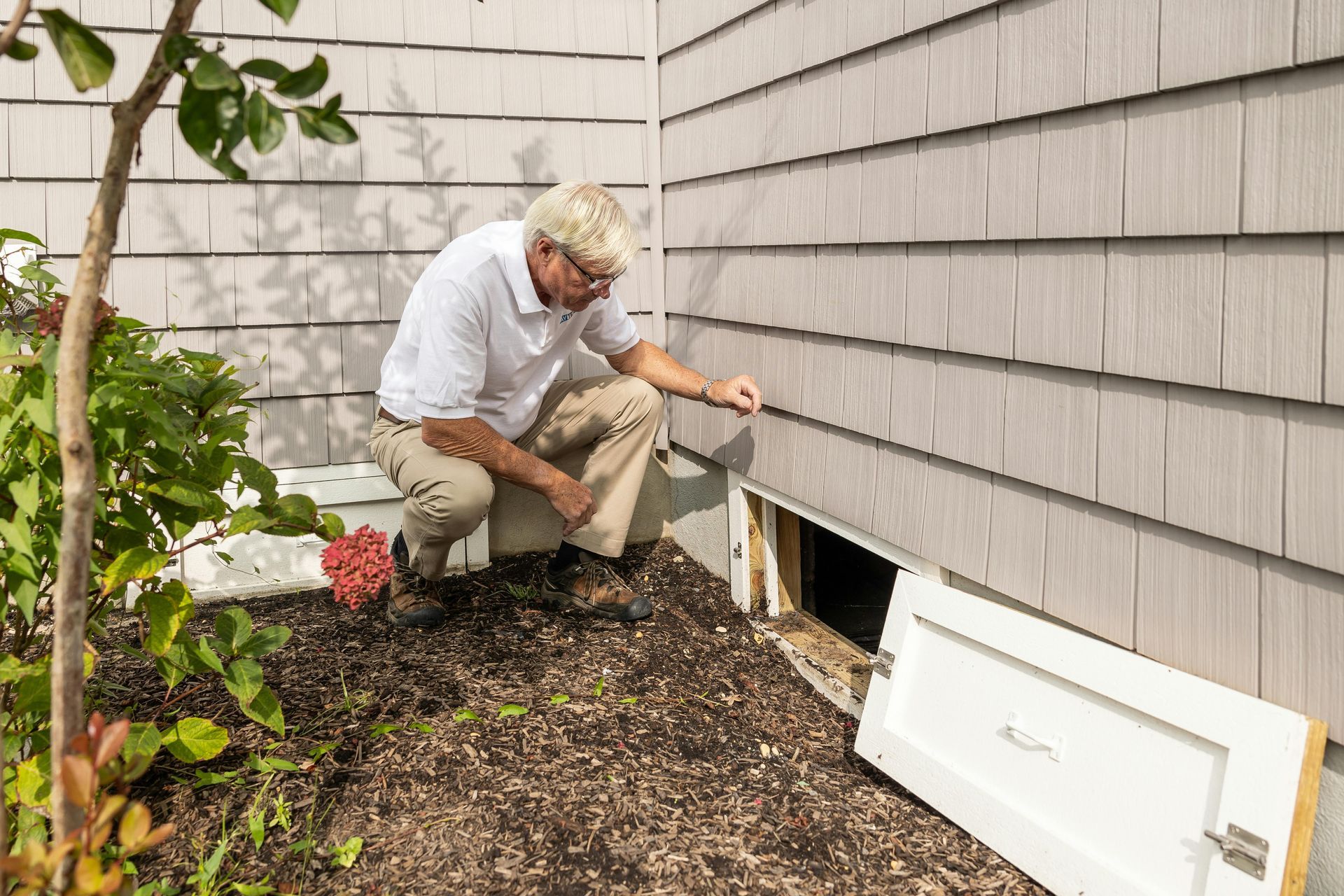
The insurance adjuster's inspection is one of the most important steps in the claims process, and being unprepared can cost you money. Before the adjuster arrives, organize all of your documentation—photos, videos, your damaged property inventory, receipts, and your communication log. Walk through your property beforehand and make a list of every area you want the adjuster to see, including damage that might not be immediately obvious, like water intrusion in walls or foundation issues.
During the visit, walk through the property with the adjuster and point out all areas of concern. Don't assume they'll catch everything on their own—adjusters inspect many properties and may miss less visible damage if you don't bring it to their attention. Ask questions throughout the process to make sure you understand how they're assessing the damage and what factors go into their estimate. Be cooperative and responsive, but also be thorough.
It's also worth knowing that the adjuster works for the insurance company, not for you. Their assessment may not always reflect the full extent of the damage or the true cost of repairs. Before the adjuster's visit, consider getting independent repair estimates from two or three licensed contractors. Having these estimates in hand gives you a benchmark to compare against the adjuster's assessment, and if there's a significant discrepancy, you'll have professional documentation to support your position in negotiations.
6. Don't Accept the First Offer Without Reviewing It
Insurance companies are businesses, and their first settlement offer may not fully cover your repair costs. Many homeowners make the mistake of accepting the initial offer out of relief or exhaustion, only to discover later that it falls short of the actual expenses needed to restore their property. This is especially common after major events when insurers are processing thousands of claims and may be working quickly through assessments.
When you receive a settlement offer, review it carefully line by line. Compare it against your own documentation, the contractor estimates you gathered, and your understanding of your policy limits. If the offer seems low, don't be afraid to push back. You have the right to negotiate, provide additional documentation, and request a re-inspection. Be specific about what you believe was undervalued or missed, and support your position with evidence—contractor quotes, photos, and receipts are your strongest tools.
If you've gone through the negotiation process and still feel your claim isn't being handled fairly, you have options. You can hire a public adjuster—an independent claims professional who works on your behalf, not the insurer's—to re-evaluate the damage and advocate for a higher settlement. In more complex or contentious situations, consulting with an attorney who specializes in insurance claims can help you understand your rights and pursue the full compensation your policy entitles you to.
7. Know When NOT to File a Claim
This might sound counterintuitive in an article about filing claims, but knowing when not to file is just as important as knowing how to file well. Every claim you submit goes on your Comprehensive Loss Underwriting Exchange (CLUE) report, which tracks up to seven years of claims history. Too many claims—even small ones—can make you look risky to insurers, leading to higher premiums at renewal or, in some cases, non-renewal of your policy altogether.
As a general rule, if the cost of the damage is only slightly above your deductible, it's often smarter to pay for the repair out of pocket rather than filing a claim. For example, if your deductible is $1,000 and the damage totals $1,300, filing a claim to recover $300 isn't worth the risk of a premium increase that could cost you far more over the next few years. Save your claims for significant losses where the payout meaningfully exceeds your deductible and the financial impact would be difficult to absorb on your own.
Similarly, avoid filing claims for damages your policy clearly doesn't cover. A rejected claim still appears on your CLUE report and can raise red flags with your current insurer or future carriers. When in doubt, call your agent and ask hypothetically whether a situation would be covered before formally filing—they can advise you without triggering a claim on your record.
Your Home Insurance Claims Checklist
Here's a quick-reference checklist you can use the next time you need to file a claim: review your policy to confirm the damage is covered before filing, document all damage thoroughly with photos, videos, and an itemized inventory, make temporary repairs to prevent further damage (but don't do permanent work), report the claim promptly and keep a log of all communications, prepare for the adjuster's visit with organized documentation and independent repair estimates, review the settlement offer carefully before accepting, and negotiate or seek professional help if the offer falls short. Following these steps can mean the difference between a fair settlement and an uphill battle.
At Insurance Ladies, we believe every homeowner deserves a smooth claims experience and a fair settlement. If you need help reviewing your current policy, understanding your coverage, or preparing for a claim, our team is here to guide you every step of the way. Reach out to us today—we'll make sure you're prepared before the unexpected happens.
Recent Posts